Recommended




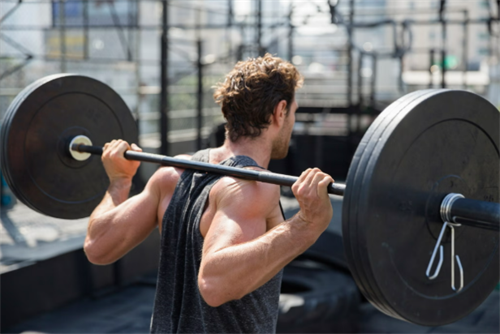
The picture is from Men's Health , the copyright belongs to the original author
At the gym, we train hard to become stronger and, one day, reach the level of an advanced athlete. But as in any field, true excellence must be backed by measurable results. Are you strong enough? Want to know how your training progress stacks up? Squats, bench presses, deadlifts, overhead presses, and pull-ups—often called the “Big Five”—are the gold-standard compound movements. These exercises can be your most powerful training tools. But do you know the strength benchmarks for these five essential lifts?
What Are Compound Exercises?
Compound exercises involve multiple large muscle groups and engage two or more major joints at once1. Examples include squats, deadlifts, bench presses, pull-ups, and overhead presses. These differ from isolation exercises, which target smaller muscle groups and use only one joint—for instance, a bicep curl, which primarily works the biceps through elbow flexion alone.
By contrast, compound exercises like the overhead press involve both the shoulder and elbow joints, activating more muscles simultaneously. Similarly, the deadlift is a full-body movement that engages the lats, glutes, hamstrings, and core, requiring coordination and total-body strength to execute properly.
Four Core Benefits of Compound Training:
1. Efficient Muscle Growth
Compound movements recruit multiple major muscle groups simultaneously, significantly boosting training efficiency. For example, squats engage the quadriceps, glutes, and core, while deadlifts strengthen the entire posterior chain (glutes, hamstrings, and lower back). This coordinated effort generates greater mechanical tension, leading to enhanced muscle growth.
Additionally, compound lifts stimulate the release of testosterone and growth hormone—key drivers of muscle synthesis and recovery. Research shows that compound exercises are more than three times as effective as isolation movements for overall muscle development, delivering noticeable gains in less time.
2. Improved Functional Strength
In daily life and sports, most movements involve multiple joints and muscles working together. Compound exercises replicate these complex patterns. The hip hinge in a deadlift mimics lifting heavy objects, while the standing overhead press enhances shoulder stability—crucial for throwing and athletic performance.
By practicing these movements, you’ll improve neuromuscular coordination and movement efficiency, allowing for smoother, more powerful control of your body in both daily activities and athletic settings.
3. Accelerated Metabolism
Compound lifts demand high energy expenditure and trigger the “afterburn effect” (EPOC—Excess Post-Exercise Oxygen Consumption). Big lifts like squats and deadlifts elevate metabolism for 24–48 hours post-workout, promoting fat loss and improved body composition.
Increasing muscle mass through compound training not only enhances strength but also raises your resting metabolic rate. Studies show that greater muscle mass significantly boosts fat-burning potential, helping you achieve a leaner, more defined physique.
4. Balanced Physical Development
Compound training requires balanced engagement between opposing muscle groups. For instance, pairing pushing movements (bench press) with pulling movements (rows) helps maintain front-to-back muscle balance, reducing risks of rounded shoulders or anterior pelvic tilt.
A well-structured compound training plan promotes proportional muscle growth and postural balance, preventing overdevelopment of certain areas and enhancing overall stability, symmetry, and performance1.
What Are the Drawbacks of Compound Exercises?
While compound movements help burn more calories, build strength, and enhance overall muscle development, beginners should be aware of some potential risks. Compound exercises are generally more technical than single-joint movements, requiring greater precision and proper form—especially when increasing the load or training under fatigue.
Without sufficient control and body awareness, these exercises can raise the risk of injury. For example, improper squat form can place the lower back in a vulnerable position, particularly when lifting heavier weights. Therefore, it’s recommended to perform compound exercises first—when you’re fresh and focused—before moving on to isolation movements to ensure both safety and effectiveness.
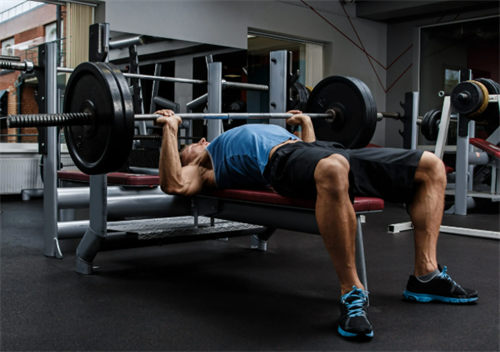
The picture is from StrengthLog , the copyright belongs to the original author
The 5 Classic Compound Movements:
1. Squat Variations
From standard squats to jump squats, this movement builds lower-body strength. Keep your knees behind your toes and sit back as if lowering into a chair.
2. Deadlift Variations
Traditional and sumo deadlifts target the glutes, hamstrings, and back. Maintain a straight spine and visualize driving the weight upward through your hips2.
3. Press Combinations
Overhead presses combined with lunges train both upper-body power and lower-body stability—an excellent test of core control.
4. Row Variations
Bent-over rows and inverted rows sculpt a defined back. Focus on retracting your shoulder blades and feeling your back muscles contract.
5. Advanced Burpees
This combination of a push-up and jump is a powerful cardio exercise. Beginners can start with a modified version without the push-up.
Strength Standards: Key Benchmarks for Fitness Progress
1. Squat: 2× Bodyweight
Known as the “king of exercises,” the squat develops lower-body and total-body strength while supporting fat loss and muscle gain.
Reaching a double-bodyweight squat marks a significant milestone—proof of exceptional leg power and full-body coordination.
2. Deadlift: 2× Bodyweight
The deadlift engages nearly every major muscle group—glutes, hamstrings, back, and core—to lift the bar from the ground.
A 2× bodyweight deadlift signals elite strength, especially in lower-body and core stability.
3. Bench Press: 1.5× Bodyweight
A classic test of upper-body strength, the bench press targets the chest, anterior shoulders, and triceps.
Pressing 1.5× your bodyweight is considered an advanced standard. In fact, college football players in the U.S. must often bench at least 225 lbs (about 102 kg).
4. Standing Overhead Press: 1× Bodyweight
This vertical press strengthens the shoulders, triceps, upper chest, and core.
Lifting your bodyweight overhead reflects excellent shoulder power and upper-body stability—key to a strong, V-shaped physique.
5. Pull-Ups: 15 Reps
A bodyweight classic that develops the lats, biceps, and grip strength.
Completing 15 or more strict pull-ups is a clear indicator of advanced upper-body strength and endurance.
Training Frequency and Structure:
For healthy adults, performing compound training two to three times per week is both safe and effective. Each session should target multiple muscle groups, with at least 48 hours between strength sessions to allow for recovery and growth.
You can use a split routine—for instance, training upper body one day and lower body the next. Incorporate cardio on rest days to enhance cardiovascular health, support fat loss, and improve overall conditioning.
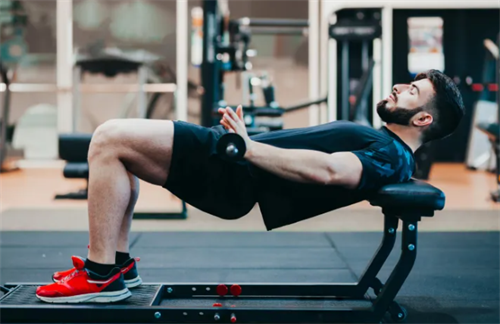
The picture is from The Manual , the copyright belongs to the original author
Training Tips and Progression Strategies:
For beginners, compound movements should make up at least 70% of total training time. Train 2–3 times per week, performing 3–5 sets of 8–12 reps per exercise with 90–120 seconds of rest between sets to balance strength and endurance development.
As you progress, apply these strategies to continue improving:
Progressive Overload: Increase weight by 2.5–5% every two weeks or reduce rest intervals to raise intensity.
Exercise Variation: Switch traditional deadlifts to sumo deadlifts or add paused bench presses to build control and stability.
Periodic Adjustment: Every 4–6 weeks, change exercise order or equipment (e.g., switch from barbells to dumbbells) to prevent plateaus.
Safety and Recovery Considerations:
Because compound lifts place higher demands on joint mobility and core stability, a proper warm-up is essential. Use dynamic stretches and bodyweight activations to prime your muscles and reduce injury risk. After training, include static stretching and foam rolling to enhance recovery.
If you have limited joint mobility (e.g., shoulder restrictions), begin with machine-based isolation exercises before progressing to complex compound lifts. Always maintain correct form to ensure safety and maximize results.
The benefits of compound movements extend far beyond building muscle or burning fat—they lay the foundation for full-body functionality. When integrated effectively into your fitness program, these exercises enhance strength, coordination, and metabolic health, helping you achieve peak performance in every aspect of life.
[Disclaimer: The content of this article is for fitness and health reference only and does not constitute medical advice. Please consult a qualified physician or certified trainer before starting any exercise or nutrition program.]
Reference:
1. https://www.nike.com/a/compound-exercise
2. https://www.menshealth.com/fitness/a64218759/build-muscle-compound-exercises/
