Recommended




The picture is from GeekyAnts , the copyright belongs to the original author
For decades,We’re told to hit the gym with precision, eat with the diligence of a nutritionist, and sleep with the consistency of a newborn—all while managing the demands of modern life. The result? Overwhelm, conflicting advice, and a cycle of trial and error that can lead to burnout.
No longer a futuristic concept, AI health models are emerging as sophisticated personal chiefs of staff for your well-being. They are moving beyond simple step-counting to become integrative systems that understand the profound, bidirectional relationships between your movement, nutrition, and rest.
Part 1: The Foundation — Data as the New Nutrient
Before an AI can coordinate, it must comprehend. The first step for any effective AI health model is holistic data collection. This isn't just about counting steps; it's about building a multi-layered digital twin of your physiology and lifestyle.
1) This data typically falls into three streams
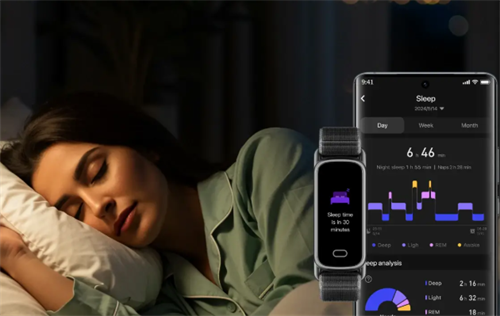
-Biometric Data: Sourced from wearables (like Apple Watch, Garmin, Whoop, or Oura Ring), this includes heart rate (resting, active, and variability), sleep stages (deep, light, REM), body temperature, respiratory rate, and activity levels (steps, active minutes, workout intensity).
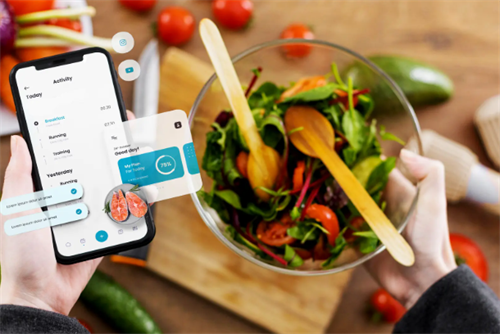
-Nutritional Data: Input manually through apps (like MyFitnessPal or Lose It!) or via photo recognition, this includes caloric intake, macronutrient breakdown (protein, carbs, fats), micronutrient levels, and even hydration.
-Contextual and Subjective Data: This is the human element. How stressed do you feel on a scale of 1-10? How sore are your muscles? What was your mood during a workout? This qualitative data is crucial for interpreting the quantitative numbers.
By fusing these streams, the AI doesn't just see that you slept 7 hours; it sees that you had low deep sleep, a higher-than-average resting heart rate, and you logged "high stress" the previous afternoon. This interconnected view is the bedrock of intelligent coordination.

The picture is from Tensorway , the copyright belongs to the original author
Part 2: The Fitness Conductor — Adapting Workouts in Real-Time
The old model of fitness was a static, pre-written program. The new model is dynamic and responsive. AI uses your data to tailor your fitness regimen in two key ways: proactively and reactively.
1) Proactive Adaptation: The Personalized Plan
At the macro level, AI analyzes your long-term goals (e.g., run a marathon, build muscle, lose 10 pounds), your current fitness level (via VO2 max estimates or strength baselines), and your schedule to create a bespoke training plan. It automatically schedules hard workout days followed by easier recovery days, preventing the common pitfall of overtraining.
Example: Maria, a marketing manager, wants to run her first half-marathon. Her AI model, analyzing her historical data, knows she is prone to knee pain when her weekly mileage increases too quickly. It creates a conservative ramp-up plan, emphasizes strength workouts for her glutes and quads to support her knees, and schedules her longest runs for Sundays when her sleep data shows she typically gets the most recovery.
2) Reactive Adaptation: The Daily Adjuster
This is where the coordination truly shines. Each morning, the AI performs a "readiness" or "recovery" check. It analyzes your sleep quality, heart rate variability (HRV), and resting heart rate to determine how well you’ve recovered from previous strain.
Example: John, an avid weightlifter, wakes up after a poor night's sleep filled with interruptions. His Oura ring shows a low HRV score. His fitness app, synced with this data, automatically sends a notification: "Recovery Score: Low. Consider swapping today's heavy leg day for a light mobility session or a 30-minute walk." This prevents John from pushing through fatigue, which could lead to injury or subpar performance, and instead directs his energy toward active recovery.
Part 3: The Dietary Architect — Fueling for Function
Nutrition is no longer just about calories in versus calories out. AI models connect your dietary needs directly to your activity and recovery status, moving from generic meal plans to functional fuel management.
1) Macronutrient Modulation
Based on your scheduled workout, the AI can provide precise nutritional guidance. A high-intensity interval training (HIIT) day demands more readily available carbohydrates for energy, while a strength day prioritizes protein for muscle synthesis. A rest day might suggest lower carb intake and a focus on anti-inflammatory foods.
Example: Sarah has a 60-minute cycling class in the evening. Her AI app, aware of her schedule, suggests a lunch rich in complex carbs and a small, easily digestible carb-based snack about 90 minutes before her workout. The next day, after the app detects she had a tough night’s sleep post-workout, it recommends increasing her protein intake at breakfast and lunch to aid with muscle repair and suggests magnesium-rich foods like spinach and almonds to support better sleep the following night.
2) Micronutrient and Hydration Guardrails
Beyond macros, AI can identify patterns of deficiency. If you consistently log low energy and your food diary shows a lack of iron-rich foods, the AI might flag a potential iron deficiency. Similarly, by cross-referencing workout intensity with ambient temperature (from your phone's weather data), it can provide dynamic hydration reminders, ensuring you replenish the fluids and electrolytes you lose.
The picture is from Ruomefit , the copyright belongs to the original author
Part 4: The Sleep Optimizer — Engineering Quality Rest
Sleep is the foundation upon which fitness and diet are built. AI models treat sleep not as an isolated event but as the critical recovery phase that your daily activities prepare you for.
1) The Wind-Down Protocol
Using your daily activity and stress data, the AI can suggest an ideal wind-down routine. If it detects you had a highly stressful day at work and a late-afternoon caffeine log, it might recommend a guided meditation 60 minutes before bed and block blue-light-emitting screens on your devices.
2) The Feedback Loop for Sleep Quality
Most importantly, the AI creates a closed feedback loop. It analyzes how your daytime behaviors directly impact your sleep scores.
Example: David notices his deep sleep percentage drops significantly every Wednesday. By reviewing his AI's "Sleep Insights," he discovers a pattern: his Wednesday evening intense basketball game, while great for cardio, elevates his core body temperature and heart rate too close to bedtime, disrupting his sleep onset and depth. The AI suggests he try to schedule his game for earlier in the evening or incorporate a cool-down shower and breathing exercises post-game to help his physiology return to baseline faster.
Part 5: The Symphony of Synchronization — Putting It All Together
The true magic of an AI health model isn't in managing these three pillars in isolation, but in orchestrating them into a seamless symphony. It understands the cause-and-effect relationships that we often miss.
Consider this integrated scenario:
-Monday: You have a great night's sleep (high HRV, balanced sleep stages). The AI recommends a high-intensity strength workout. Post-workout, it suggests a protein-rich meal.
-Tuesday: Your sleep data is slightly degraded, likely from the intense workout. The AI dials back your planned workout to a moderate cardio session. It also notices your food log is low in complex carbs and reminds you to include them for sustained energy.
-Wednesday: You log a high-stress day at work. The AI, seeing your elevated daytime heart rate and subjective stress log, cancels your evening workout entirely and instead schedules a gentle yoga session and prompts you for an earlier bedtime.
-Thursday: You wake up well-rested. The cycle begins again, with the AI confidently prescribing a challenging workout because it knows you are fully recovered.
This continuous feedback loop creates a system that learns and adapts to your unique rhythm, preventing plateaus, reducing injury risk, and maximizing the efficiency of your efforts.
The Human Element: Your Role in the Partnership
It is crucial to remember that AI is a tool, not a tyrant. Its recommendations are only as good as the data it receives. Your role is to be an honest and consistent partner.
1) Provide Accurate Data: Log your meals truthfully. Rate your soreness and stress honestly. The AI needs your subjective input to contextualize the objective numbers.
2) Listen to Your Body: If the AI suggests a hard workout but you feel unwell, listen to your body. You can log this as a "Override Reason," which further trains the model.
3) Maintain a Critical Eye: Use the AI's insights as a guide for self-discovery. The goal is to learn your body's signals so well that you eventually internalize this intuitive understanding.
The AI health model can achieve this by coordinating these three key areas. It can help you shift from static plans to dynamic, personalized, and data-driven guidance. At the same time, it is essential to remember that AI is merely a tool, not a prophecy. The effectiveness of its suggestions depends on the data behind it, and your participation (feedback, consistency, and common sense) is crucial. If used appropriately, the coordinated fitness, diet, and sleep management by AI has the potential to enhance your health in an unprecedentedly intelligent way.
