Recommended




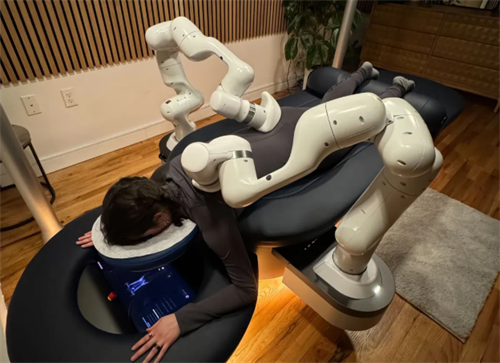
The picture is from ZDNET , the copyright belongs to the original author
Today’s AI massage systems can go far beyond simple vibration or pressure patterns. They can identify your body’s acupoints and detect fatigued muscle groups in real time, customizing each session to your body’s unique condition. This fusion of AI, biomechanics, and medical data is setting a new standard in personalized wellness technology.
1. The Science Behind Massage and Acupoints
Acupoints, central to traditional Chinese medicine, are specific locations along the body’s meridians—energy pathways that influence organ function, circulation, and pain perception. Stimulating these points through massage or pressure can enhance energy flow (“Qi”), relieve tension, and promote recovery.
Muscle fatigue, on the other hand, is a physiological condition that occurs when muscles have been overused. It’s characterized by decreased strength, tightness, or soreness. Detecting fatigue requires understanding how muscles respond to stress—changes in tension, temperature, and electrical activity.
AI massage systems bridge these two worlds. They blend traditional acupoint mapping with modern physiological data to identify the most effective massage spots and techniques for each user.
2. How AI Massage Systems Work
AI massage devices—whether in chairs, handheld massagers, or robotic systems—use a combination of sensors, cameras, and algorithms to analyze your body condition and adapt their techniques automatically.
2.1 Body Scanning and Mapping
When you sit in an AI massage chair or place a smart massage pad on your back, the system begins by scanning your body. Using pressure sensors, infrared mapping, or 3D cameras, it identifies:
Body contour and size;
Muscle density and stiffness;
Spinal alignment and shoulder height;
This information allows the AI to create a virtual map of your muscles and skeletal structure. For example, the system can distinguish between the trapezius (upper back muscle) and latissimus dorsi (mid-back muscle), adjusting pressure levels accordingly.
2.2 Detecting Fatigued Muscles
AI systems use biometric and mechanical feedback to find where your muscles are tired or tense.
Here’s how:
Pressure sensors measure resistance when massage rollers press against muscles. Higher resistance often indicates stiffness or fatigue.
Thermal sensors detect subtle temperature changes—fatigued muscles tend to be slightly warmer due to increased blood flow.
EMG (electromyography) data in advanced systems measure muscle electrical activity to identify overused areas.
For example, after a long day of typing, an AI massage system might detect higher stiffness and warmth in your shoulders and forearms, focusing its massage routine on those specific areas.
2.3 Identifying Acupoints Using Data Models
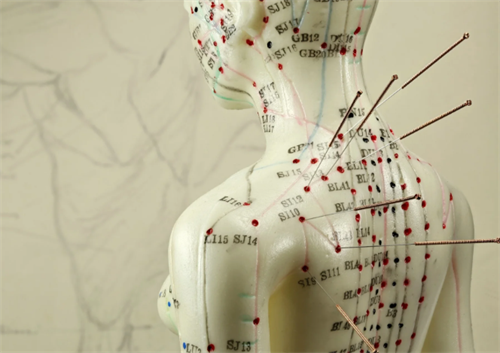
AI identifies acupoints by referencing digital anatomical maps trained on millions of data points. It aligns the user’s scanned body structure with standardized acupoint locations used in traditional Chinese medicine.
For example, the system might recognize the “Jianjing (GB21)” point on the shoulder—commonly used for relieving neck and shoulder tension—and apply rolling and kneading motions there. Similarly, it may target “Hegu (LI4)”, located between the thumb and index finger, to alleviate headaches and stress.
The picture is from News-Medical, the copyright belongs to the original author
3. The Role of Machine Learning in Personalized Massage
The real power of AI lies in machine learning—its ability to learn and improve from user data. Every massage session provides new feedback that helps the system refine its performance.
3.1 Learning from User Feedback
Users can rate their massage sessions or adjust preferences such as pressure, temperature, and focus areas. Over time, the AI correlates this input with sensor readings, learning which pressure patterns or acupoint combinations yield the best relaxation results for that specific individual.
For example:
If you consistently prefer deep pressure on your lower back but lighter pressure near the neck, the AI will remember these settings.
If your wearable device indicates muscle fatigue after a workout, the AI will automatically increase intensity in affected areas.
3.2 Predictive Massage Customization
Some AI systems integrate with wearable devices like smartwatches or fitness trackers. By analyzing data such as step count, heart rate variability, and sleep quality, the AI can predict where you might experience muscle fatigue—even before you feel it.
For instance:
After a 10 km run, the AI might suggest focusing on the calves and hamstrings.
After a week of poor sleep, it may prioritize acupoints that promote relaxation and improve blood circulation.
This predictive capability makes AI massage a preventive wellness tool, not just a reactive one.
4. Real-Time Adjustment: From Static to Dynamic Therapy
Traditional massage chairs often follow fixed programs—press here, knead there—regardless of the user’s changing condition. AI-powered systems, by contrast, deliver dynamic, real-time adjustments based on immediate feedback.
4.1 Continuous Monitoring
During the session, sensors continuously monitor muscle response. If a muscle softens (indicating relaxation), the AI reduces intensity and moves to the next area. If it detects persistent tension, it applies prolonged kneading or tapping until the stiffness subsides.
4.2 Adaptive Acupoint Targeting
Some acupoints are more sensitive depending on your physiological state. For example, stress or fatigue might make certain neck acupoints more responsive. AI systems can adjust timing and pressure based on real-time user data—ensuring precise stimulation without discomfort.
Example:
Imagine you’re sitting in an AI massage chair after a long workday. The system detects elevated tension in your trapezius and rhomboid muscles, applies moderate pressure to release stiffness, and then switches to circular motion on your “Jianjing” acupoints. As sensors note reduced muscle resistance, the AI lowers intensity and shifts focus to your lumbar region for spinal decompression.
5. The Benefits of AI-Enhanced Massage
5.1 Personalized Precision
Every body is different. AI eliminates the “one-size-fits-all” limitation by tailoring every session to your current condition—whether you’re recovering from a workout, dealing with back pain, or just seeking relaxation.
5.2 Consistency and Accuracy
Unlike human therapists who can tire or vary in technique, AI massage systems maintain consistent pressure and accuracy, ensuring each acupoint is targeted effectively every time.
5.3 Data-Driven Wellness Insights
Some systems track your tension patterns over time, showing you how muscle fatigue evolves with your lifestyle. This data can be shared with healthcare professionals or used to adjust your training or work habits.
For example, if your AI massage data shows recurring tension in your right shoulder, it might indicate posture imbalance or repetitive strain from daily computer use—helping you address the root cause.
5.4 Enhanced Recovery for Athletes
Athletes benefit significantly from AI massage’s precision. By detecting micro-fatigue in muscle groups after training, AI systems can optimize recovery sessions—promoting blood flow, reducing lactic acid, and preventing overtraining injuries.
For instance, a cyclist using a smart massage device after a race might find the system automatically focusing on the quadriceps and calves, applying rhythmic pressure to speed up muscle recovery.
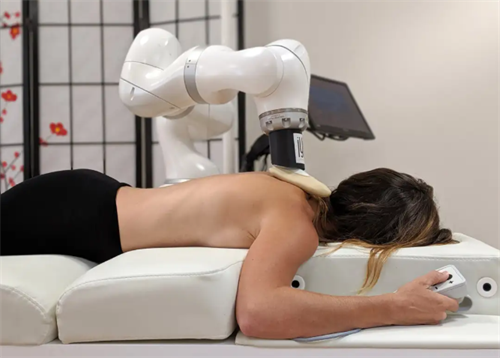
The picture is from New Scientist , the copyright belongs to the original author
6. Real-World Examples of AI Massage Technology
6.1 Smart Massage Chairs
Brands like Panasonic Real Pro, OSIM uLove 3, and Inada Robo use AI-powered sensors to scan body curves, detect tension points, and adjust massage techniques in real time. Some even synchronize with heart rate data to adapt massage rhythms to your breathing pace—enhancing relaxation.
6.2 Wearable Massage Devices
Portable AI massage bands or patches—like Therabody Smart Goggles or Hyperice Venom—combine vibration, heat, and AI algorithms to target fatigued areas precisely. For example, a wearable back massager can identify stiffness through resistance feedback and concentrate pressure on affected spinal acupoints.
6.3 Intelligent Health Platforms
Some emerging systems integrate AI massage with cloud-based health apps. By syncing with your daily fitness and stress data, the platform suggests customized massage programs. For example, if your smartwatch reports elevated stress levels and poor sleep quality, the system may automatically schedule an acupoint massage session for relaxation before bedtime.
7. The Future: Fully Integrated AI Wellness Ecosystems
In the near future, AI massage systems will become part of comprehensive AI-driven wellness ecosystems. Imagine this scenario:
Your smartwatch detects muscle strain after a workout.
Your AI home assistant schedules a 20-minute massage session.
The smart chair scans your body, locates tension points, and begins therapy.
Afterward, your app logs the results and suggests hydration and stretching routines.
This seamless integration of data and therapy will transform self-care from a manual process into an intelligent, responsive experience.
AI massage technology represents a remarkable convergence of ancient healing and modern innovation. By analyzing your body in real time, identifying acupoints, and detecting fatigued muscles, it personalizes therapy in ways once thought impossible.
