Recommended




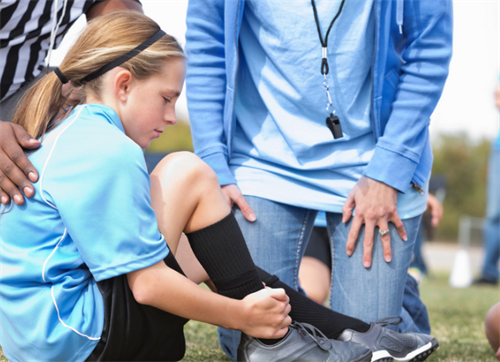
The picture is from Erica Mulholland , the copyright belongs to the original author
Adolescent athletes often train under the guidance of parents and coaches. However, some adults tend to overlook the importance of rest and recovery, filling the young athletes’ schedules with endless training sessions. This approach can be problematic. While some adolescents may appear resilient and show no obvious symptoms of overtraining, neglecting recovery actually undermines their long-term potential. In many cases, athletes experience unexpected improvement after taking a break from training—proving that rest and recovery are essential for growth and performance.
How Does Overtraining Happen?
1. Excessive Parental Expectations
Parents and coaches often wish to provide young athletes with every possible training resource and opportunity, hoping for rapid progress in a short period of time. While this intention is well-meaning, excessive training intensity or frequency can lead to overload. When the body’s need for rest and recovery is ignored, athletes may remain in a prolonged state of fatigue, greatly increasing the risk of overtraining.
2. Misjudging Resilience
Adolescent athletes are known for their remarkable toughness and endurance. In many sports schools, young athletes often train more intensely than adults. While this may demonstrate their adaptability, it does not make such training practices scientifically sound. Over-reliance on a young athlete’s capacity to “tough it out” neglects the body’s limits and can lead to the gradual buildup of health issues. Long-term high-intensity training without adequate recovery eventually results in the onset of overtraining symptoms.
3. Multiple Sources of Stress
Unlike adult athletes, adolescents face a broader range of life pressures. Adults can focus primarily on training, whereas young athletes must balance intense athletic demands with academics, social life, family relationships, and the physical and emotional changes of adolescence. Academic workload and peer pressure often add significant strain. If these external pressures are not properly managed alongside training, overall stress accumulates—making overtraining much more likely.

The picture is from Rytel Sports Medicine , the copyright belongs to the original author
Common Symptoms of Overtraining in Adolescent Athletes:
Overtraining symptoms can be difficult to quantify, largely because they must be distinguished from simple “overreaching.” The main difference lies in recovery time: temporary overreaching typically resolves within a few days, whereas overtraining may require weeks or even months to recover from—and in some cases, full recovery may never occur. Common signs of overtraining include:
1. Stagnation or Decline in Strength and Performance – After overtraining, athletes often find their strength and endurance plateau or even decline. This results from excessive training loads without sufficient time for recovery and adaptation.
2. Elevated Resting Heart Rate – Overactivation of the sympathetic nervous system can lead to a persistently high resting heart rate, often lasting several weeks. This is a clear physiological warning sign of overtraining.
3. Water Retention and Increased Body Fat – Despite maintaining high training volumes, some athletes may experience bloating or weight gain due to poor metabolic recovery caused by prolonged fatigue.
4. Decreased Motivation to Train – A loss of enthusiasm, interest, or even aversion toward training is a common psychological symptom of overtraining. Persistent fatigue can diminish drive and engagement.
5. Poor Sleep Quality – Overtraining frequently disrupts sleep, leading to insomnia or restless sleep. Poor sleep further impairs recovery, creating a vicious cycle of fatigue.
6. Joint or Muscle Discomfort – Continuous high-intensity training without proper rest may cause chronic joint or muscle pain, resulting from accumulated micro-injuries that the body cannot repair in time.
7. Weakened Immunity and Frequent Illness – Overtraining places heavy stress on the immune system, making athletes more vulnerable to infections, especially upper respiratory illnesses1.
8. Persistent Fatigue – Even after resting, athletes may still feel exhausted and lacking energy. This prolonged fatigue is one of the hallmark indicators of overtraining1.
9. Emotional Instability and Loss of Interest – Athletes who were once cheerful, energetic, or team leaders may suddenly become irritable, withdrawn, or disinterested in training and competition—showing clear emotional burnout.
10. More Than Just Physical Fatigue – Overtraining is not simply about feeling “tired.” It’s a cumulative process that can last for weeks or months, especially when compounded by external stressors like schoolwork, family issues, or social tension. It disrupts hormonal balance and nervous system function, leading to physical and mental imbalance over time.

The picture is from Rady Children's Hospital, the copyright belongs to the original author
How to Prevent Overtraining?
1. Follow the Principle of Progressive Overload
Progressive overload is the foundation of sound training design. Increases in training intensity or duration should be gradual, with weekly increments not exceeding 10%. Sudden jumps in workload prevent the body from adapting and raise injury risk. For example, runners can safely add 0.5–1 km per week, while strength athletes should increase repetitions per set by only 2–3 at a time. Gradual progress ensures both safety and sustainable improvement.
2. Use Periodized Training
Periodization involves structuring training into distinct phases to optimize performance and recovery:
Base Phase: Low intensity, high volume—builds foundational endurance and strength.
Build Phase: Moderate volume, higher intensity—focuses on improving power, endurance, or speed.
Recovery Phase: Reduced load—facilitates recovery and prevents overtraining.
Scheduling a “deload week” every 3–6 weeks, cutting training volume to 40–50% of normal, helps restore energy and reduce injury risk.
3. Personalize Training Plans
Exercise intensity and frequency should be personalized based on an individual’s physical condition, exercise experience, and goals. In the early stages of training, especially for beginners, it is important not to blindly engage in high-intensity workouts. Instead, the exercise load should be gradually increased to avoid placing excessive stress on the body. Adjustments to the workout plan should take into account the individual’s fitness level, progressively increasing training intensity to ensure the body has adequate time to adapt.
4. Monitor Physical and Mental Health Regularly
Routine health checkups and informal wellness assessments are essential. Coaches and parents should pay attention to warning signs such as fatigue, declining performance, or sleep disturbances. Early identification and intervention can prevent long-term harm. For adolescents, early detection is especially critical, as overtraining can cause lasting effects on physical and developmental health.
5. Diversify Training Activites
Repetitive training can overwork certain muscle groups and joints, leading to fatigue and injury. Incorporating variety—such as combining aerobic work, strength training, and flexibility exercises—helps balance development. For instance, runners can alternate with swimming or cycling to reduce impact stress, while strength athletes can include core or mobility work to prevent overuse injuries.
6. Prioritize Warm-Up and Cool-Down
Proper warm-up and cool-down routines are crucial for injury prevention. Warming up improves flexibility and joint mobility, while post-training stretching and cooldown activities promote relaxation, reduce lactic acid buildup, and accelerate recovery. Staying hydrated and avoiding high-intensity exercise in extreme heat are also vital for maintaining performance and safety.
7. Listen to the Body’s Signals
Athletes should learn to recognize and respond to their bodies’ feedback. Any signs of pain or persistent fatigue are warning indicators that training intensity may exceed tolerance2. Adjusting the load or taking rest days promptly can prevent long-term damage. Regular self-assessment and flexible modification of training plans are key to staying healthy and consistent.
8. Maintain Balanced Nutrition and Adequate Sleep
Proper nutrition and sufficient sleep are the cornerstones of effective recovery and performance. A balanced diet provides the energy and nutrients necessary for tissue repair, while adequate sleep enhances recovery and hormonal regulation2. Healthy lifestyle habits not only boost training outcomes but also protect against the risks of overtraining.
In summary, adolescent athletes should not blindly strive to "push their limits" during exercise. Instead, they should prioritize health above all else. When setting athletic goals, it is crucial to maintain a balance between moderation and well-being, avoiding the risk of irreparable harm to the body by overemphasizing extreme limits.
[Disclaimer: The content of this article is for fitness and health reference only and does not constitute medical advice. Please consult a qualified physician or certified trainer before starting any exercise or nutrition program.]
Reference:
1. https://usacheer.org/six-physical-signs-that-athletes-are-overtraining-and-at-risk
2. https://bassathletics.com/faqs/what-are-the-signs-of-overtraining-in-young-athletes-and-how-can-it-be-prevented/
