Recommended





The picture is from Linkedin , the copyright belongs to the original author
In recent years, the development of fitness technology has gone far beyond just tracking steps and heart rate. With the rise of affective computing (the ability of machines to detect, interpret and respond to human emotions), the way of exercising has become more personalized than ever before. An intelligent fitness coach not only understands your body, but also your emotions, motivation and mental state. Affective computing is changing the way we train, recover and maintain a regular routine.
1. Understanding Emotional Computing
Emotional computing (also called affective computing) is a branch of artificial intelligence that allows machines to sense and respond to human emotions. It relies on a combination of biometric data, facial recognition, speech analysis, and behavioral patterns to gauge emotional states such as stress, excitement, fatigue, or frustration.
For example:
Facial recognition algorithms can detect micro-expressions that reveal subtle mood changes.
Voice analysis tools assess tone, pace, and pitch to detect emotional cues.
Wearable sensors monitor physiological signals—like heart rate variability (HRV), skin temperature, and galvanic skin response—that correlate with emotional stress.
By integrating this data, AI systems can make real-time judgments about how you feel and respond accordingly. In fitness, this capability has revolutionary potential.
2. Why Emotions Matter in Fitness
Most people focus on physical metrics—weight lifted, miles run, calories burned—but emotions play an equally critical role in determining training success. Motivation, focus, and mental energy fluctuate daily. On days when you feel drained, pushing too hard might lead to burnout or injury; on days when you feel confident and strong, holding back may limit progress.
Traditional training plans often fail to account for these emotional variations. They assume every day is equal, but the reality is more nuanced.
Example:
Imagine Sarah, a marathon runner. On paper, her plan calls for an 18-mile run this Sunday. But that week, she’s been overwhelmed at work, slept poorly, and feels emotionally exhausted. A static training plan won’t know that—but an emotionally aware AI could detect her stress patterns and automatically suggest a lighter recovery run or mindfulness session instead. By adjusting to her emotional state, the AI helps her stay consistent while avoiding overtraining.
3. How AI Reads Your Emotions During Training
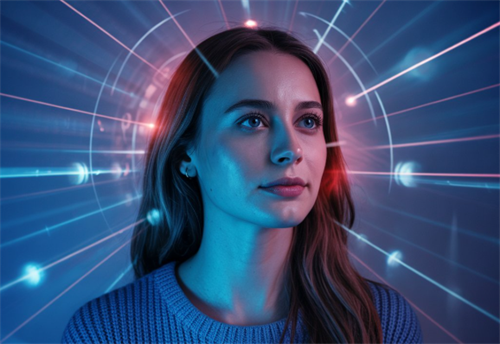
AI-powered emotional computing systems gather and interpret signals from multiple sources in real time. Here’s how it works step-by-step:
a. Data Collection
Smart wearables and cameras collect physiological and behavioral data:
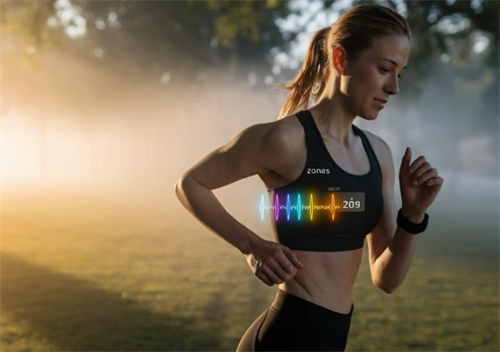
-Heart rate and HRV: Lower HRV often indicates stress or fatigue.
-Facial micro-expressions: A brief grimace might indicate frustration or pain.
-Voice tone: Heavy breathing or strained speech can show fatigue.
-Posture and movement: Subtle slouching or slower pace can signal low motivation.
b. Emotion Recognition
Machine learning models trained on vast datasets of emotional patterns process these signals. For example, an AI might correlate elevated heart rate and sweating with exertion but, when paired with facial tension and slower breathing, identify it as emotional stress rather than physical intensity.
c. Response and Adaptation
Once the system interprets your emotional state, it dynamically adjusts your workout:
Lowering training intensity if stress or fatigue is detected.
Offering motivational cues when enthusiasm drops.
Extending sessions slightly when energy and focus are high.
Some platforms even sync with music or lighting systems to enhance mood and motivation—creating a holistic emotional training environment.
The picture is from Bez Kabli , the copyright belongs to the original author
4. Real-Time Adjustment: The New Fitness Frontier
Traditional fitness tracking measures what happened—after the fact. Emotional computing, however, acts in the moment, modifying your experience as it unfolds.
Example 1: The Emotionally Intelligent Spin Class
During a spin session, an AI-powered bike analyzes your facial expressions and breathing rate through an integrated camera and sensor array. When it senses frustration, it automatically reduces resistance slightly and shifts the playlist to a more upbeat track. As your mood improves, resistance gradually increases again. You finish the workout feeling accomplished, not defeated.
Example 2: The Smart Personal Trainer App
An emotionally aware fitness app might monitor your tone of voice when giving verbal feedback. If you sound discouraged—“I can’t keep going”—it might respond with empathetic reinforcement: “You’re doing great. Let’s slow it down for 30 seconds, then push again.”
These micro-adjustments help sustain motivation and improve adherence, especially in home or solo workouts.
5. Emotional Data and Physical Outcomes
The link between emotion and performance is well-documented. Stress increases cortisol, which can inhibit muscle recovery. Positive mood enhances focus and endurance. By balancing training load with emotional readiness, AI can help optimize results across multiple dimensions,This kind of real-time regulation allows athletes to train smarter, not just harder.
6. Integrating Emotional Computing into Modern Fitness Ecosystems
Emotional computing doesn’t stand alone—it integrates seamlessly with existing fitness ecosystems.
Here’s how it fits into current technology:
a. Smart Wearables
Devices like Apple Watch, Fitbit Sense, or Whoop already collect data that correlates with emotion. By adding AI-based emotional recognition, they can provide actionable recommendations. Imagine your smartwatch suggesting a calming yoga flow instead of a HIIT session when your stress score is high.
b. Connected Gyms
Gyms equipped with cameras and sensors can monitor members’ engagement levels. If a group class starts losing energy, the system can automatically change the instructor’s playlist or lighting tone to lift morale.
c. Virtual Coaches
AI-driven personal trainers—like Tonal, Tempo, or Peloton’s digital instructors—can evolve into emotionally intelligent companions. They’ll not only track your form but also read your emotional cues to keep you in an optimal performance zone.
7. Challenges and Ethical Considerations
While emotional computing holds incredible promise, it also raises important questions.
a. Privacy and Consent
Emotional data is deeply personal. Recording facial expressions, voice, and biometric signals means collecting sensitive information. Fitness platforms must ensure transparent data handling, explicit user consent, and secure encryption.
b. Accuracy and Bias
Emotion recognition algorithms can sometimes misinterpret cues, especially across cultures and individual differences. A grimace might signal concentration for one person and pain for another. Developers must train models on diverse datasets to minimize bias.
c. Emotional Overdependence
While emotionally aware AI can boost motivation, it shouldn’t replace human intuition or self-awareness. The goal is to assist, not control. Users must stay engaged in understanding their own emotional and physical cues.
The picture is from Run Smarter Daily , the copyright belongs to the original author
8. The Future: Emotionally Adaptive Training Systems
The next generation of fitness AI will likely combine emotional computing with predictive analytics. Instead of just reacting to your emotions, it will anticipate them. For example:
Detecting patterns that precede demotivation and offering proactive encouragement.
Predicting recovery needs based on your emotional and physical history.
Integrating with mental wellness platforms for holistic health monitoring.
In the near future, your workout companion might understand your emotional rhythms better than you do—adjusting sessions not just by your pulse, but by your passion.
9. Practical Example: A Day with Emotion-Aware Fitness
Let’s take a realistic day in the life of Alex, a fitness enthusiast using an emotionally intelligent training system.
-Morning: The AI detects lower HRV and elevated stress from Alex’s wearable. It suggests swapping the planned HIIT session for a 30-minute mobility routine and mindfulness exercise.
-Afternoon: During a light jog, Alex’s facial expressions indicate a boost in mood. The system gradually increases pace targets and offers encouraging feedback through his earbuds.
-Evening: Analyzing overall performance and emotional stability, the AI recommends an early bedtime and calming playlist for recovery.
Over time, Alex notices fewer burnout periods, more consistent performance, and a stronger connection between emotional balance and physical results.
The fusion of emotional computing and fitness technology marks a shift from mechanical measurement to human-centered intelligence. It recognizes that our emotions are not distractions from performance—they are part of it. By learning to sense and respond to our inner world, AI becomes more than a trainer; it becomes a partner in personal growth.
