Recommended




The picture is from Fabl'style Magazine , the copyright belongs to the original author
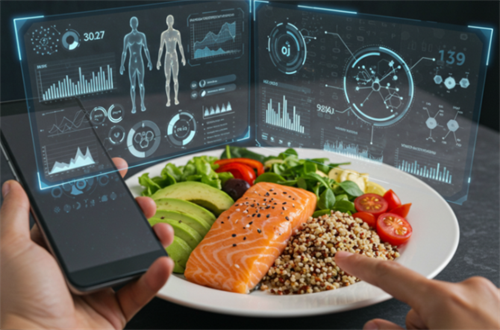
Artificial intelligence (AI) is revolutionizing the way we understand and manage food. By analyzing nutrition data and generating personalized diet plans in real time, AI-powered systems can now help individuals achieve optimal health—effortlessly and precisely.
1. Understanding the Challenge of Nutrition Planning
Before diving into the AI side, it’s important to recognize the complexity of nutrition itself. Human dietary needs depend on countless factors—age, gender, weight, activity level, health conditions, and even genetics. Traditional diet planning requires a person to either consult a nutritionist or manually calculate calorie and nutrient intake, often using tables or apps.
For instance, if someone wants to consume 2,000 calories per day with a balanced ratio of macronutrients—say 40% carbohydrates, 30% protein, and 30% fat—they need to measure portion sizes, check nutrition labels, and adjust meal choices daily. This process is tedious and prone to error, making it unsustainable for most people in the long run. AI simplifies this complexity by automating data collection, analysis, and decision-making—delivering dietary insights almost instantly.
2. How AI Analyzes Food Nutrition
AI-powered nutrition analysis starts with data. Using image recognition, natural language processing, and advanced algorithms, AI can now identify foods, estimate portion sizes, and calculate nutritional content automatically.
2.1 Image Recognition and Food Detection
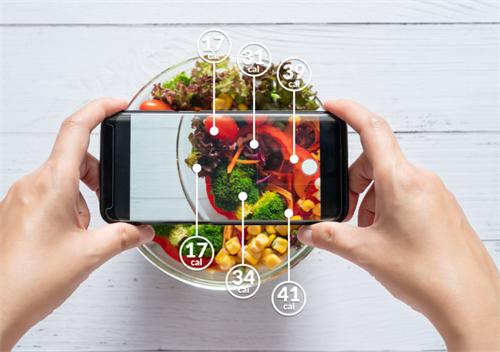
Modern AI models are trained on millions of food images. When a user takes a photo of their meal—say a bowl of spaghetti with meatballs—the AI can identify the ingredients, estimate portion sizes, and detect additional components such as sauces or garnishes. For example:
-A user uploads a photo of their lunch.
-The AI identifies “spaghetti,” “meatballs,” and “tomato sauce.”
-It estimates portion sizes and computes the calorie, protein, fat, and carbohydrate content.
Apps like Calorie Mama and MyFitnessPal already use AI image recognition to simplify food logging. However, more advanced systems go beyond calorie counting—they analyze micronutrients (vitamins and minerals) and detect preparation methods, such as whether the dish is fried, grilled, or baked.
2.2 Text-Based Food Recognition
When users describe their meals in text, AI can interpret and analyze them just as accurately. For instance, typing “one avocado toast with poached egg and a latte” prompts the AI to parse the sentence, recognize ingredients, and pull nutritional data from standardized databases. Natural Language Processing (NLP) enables the system to understand contextual information such as serving size or meal type.
2.3 Integration with Wearable Data
AI doesn’t just stop at analyzing food—it integrates with wearable devices like Fitbit, Apple Watch, or Oura Ring to assess physical activity, heart rate, and sleep quality. This allows the system to balance calorie intake with actual energy expenditure. For example, if your wearable shows you burned 500 calories during a morning run, the AI might recommend an extra serving of protein or carbohydrates later in the day to maintain energy levels.
The picture is from WEIGHT LOSS DIET , the copyright belongs to the original author
3. AI-Driven Diet Planning: From Data to Personalization
Once AI has the data, it can generate personalized diet plans tailored to the user’s goals—whether it’s weight loss, muscle gain, managing blood sugar, or simply eating healthier.
3.1 Personalized Nutrition Profiles
AI builds a user profile using demographic data (age, height, weight), health goals, dietary restrictions, and medical history. It then applies algorithms that match food intake recommendations with individual metabolic needs.
For example:
A 35-year-old office worker aiming for fat loss might get a high-protein, low-calorie plan.
A 22-year-old athlete training for a marathon could receive a carb-rich plan to support endurance.
These personalized plans adapt dynamically. If the user logs a meal that’s higher in fat than usual, the AI can automatically suggest lighter options for the next meal to maintain daily balance.
3.2 Adaptive and Predictive Planning
One of AI’s biggest strengths is adaptability. It learns from user behavior and preferences over time. Suppose you often skip breakfast but overeat at dinner—the AI system can detect this pattern and recommend a more filling lunch to stabilize hunger throughout the day.
Predictive analytics also help the system forecast nutritional deficiencies before they occur. For instance, if your diet consistently lacks iron, the AI may suggest spinach or lean red meat before symptoms like fatigue appear.
3.3 Example: One-Step Diet Automatioz
Imagine you open an AI-powered app, snap a picture of your dinner ingredients—chicken breast, broccoli, and rice—and the AI instantly tells you:
Calories: 550
Protein: 45g
Carbs: 50g
Fat: 10g
It then automatically updates your daily log, checks if your total nutrition meets your goals, and, if not, adjusts your next meal suggestion. In just one step—taking a photo—you’ve analyzed your food and updated your diet plan without lifting a finger.
4. Benefits of AI Nutrition Analysis and Planning
4.1 Precision and Speed
AI eliminates the guesswork in nutrition tracking. Traditional methods rely on manual data entry or rough estimates, but AI can calculate precise values in seconds using massive food databases and real-time recognition.
4.2 Accessibility and Affordability
Hiring a personal nutritionist can be costly, but AI brings professional-level guidance to anyone with a smartphone. Many apps offer free or affordable premium versions that provide customized diet plans, recipes, and even grocery lists.
4.3 Behavioral Coaching and Motivation
AI can act as a virtual coach. Using behavioral analytics, it can encourage users to stay consistent. For instance, if you’ve skipped logging meals for a few days, the AI might send a friendly reminder or suggest simple meal options to get you back on track. Some systems even use gamification—rewarding users with “badges” for hitting hydration or fiber goals.
4.4 Integration with Health Monitoring
For people managing conditions like diabetes or hypertension, AI offers a powerful advantage. It can analyze glucose levels, recommend appropriate meal timing, and flag potential risks. For example, an AI assistant could alert a diabetic user if their planned lunch contains too many simple carbs, suggesting a fiber-rich alternative instead.

The picture is from PBC0. , the copyright belongs to the original author
5. Real-World Applications
5.1 AI-Powered Meal Recommendations
Platforms like Lumen, Noom, and Nutrino already integrate AI to provide personalized meal suggestions based on metabolic rate and dietary preferences. For example, if you tell the AI you’re vegetarian and prefer Mediterranean cuisine, it can create a weeklong meal plan rich in plant-based proteins and olive oil.
5.2 Restaurant and Grocery Integration
AI also helps people make smarter food choices outside their kitchens. Some restaurant apps analyze menu photos or text and show nutritional information instantly. Similarly, grocery store apps can scan barcodes and suggest healthier alternatives—turning every shopping trip into a personalized nutrition experience.
5.3 Corporate Wellness and Hospitals
Hospitals are beginning to use AI to manage patient diets. For example, AI tools can automatically design meal plans for patients with specific nutrient needs—such as low-sodium diets for heart patients or high-protein plans for recovery. Corporate wellness programs use similar systems to offer employees healthy, customized meal options at work cafeterias.
6. Challenges and Ethical Considerations
While AI brings remarkable benefits, it’s not without challenges.
6.1 Data Accuracy
Food recognition AI can occasionally misidentify dishes, especially complex or mixed meals. A lasagna with hidden ingredients, for instance, might be incorrectly analyzed. Continuous model training and user corrections are essential for accuracy.
6.2 Privacy Concerns
Nutrition and health data are highly personal. Any AI system that tracks food intake and health metrics must ensure robust data security and transparency about how data are stored and used.
6.3 Cultural and Dietary Diversity
AI systems must understand global cuisines to be truly effective. A model trained mostly on Western foods might struggle with Asian or African dishes. Developers are now expanding databases to include regional diets and local ingredients.
7. The Future: AI-Powered “Smart Nutrition Ecosystems”
The next generation of AI nutrition technology will move toward fully integrated ecosystems—connecting smart kitchens, health wearables, and food supply chains. Imagine a system where your refrigerator automatically tracks what’s inside, your wearable monitors your metabolism, and your AI assistant plans meals based on both.
For example:
Your fridge detects that you’re low on vegetables.
The AI generates a grocery list and orders ingredients online.
Based on your activity data, it plans a high-protein dinner and sends cooking instructions to your smart oven.
This “one-step” integration could redefine how humans interact with food, turning nutrition management into a seamless, intelligent process.
Artificial intelligence is transforming nutrition from a guessing game into a science-driven, personalized experience. With the ability to analyze food, understand human biology, and adapt in real time, AI is making diet planning effortless and precise.
