Recommended




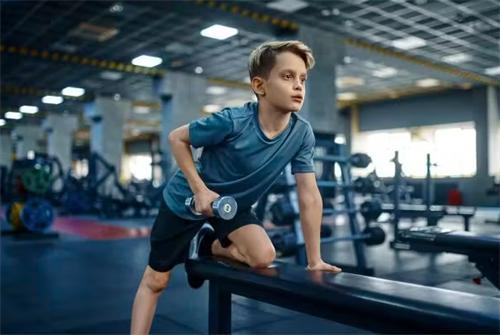
The picture is from BSR Physical Therapy , the copyright belongs to the original author
Muscle strength refers to the ability of a muscle or group of muscles to overcome resistance and generate tension. It serves as the foundation of physical performance and is a key indicator of metabolic health. However, with the growing prevalence of electronic devices, adolescents are spending more time sitting and less time engaging in physical activity—leading to weaker muscle strength. Enhancing adolescent muscle strength requires proper strength training. Yet, since this is a period of rapid physical development, unstructured or excessive training can easily result in injury.
What Is Strength Training?
Strength training not only enhances muscular power but also brings multiple health benefits, including improved self-confidence, better athletic performance, and overall well-being2. It involves working against resistance to stimulate muscle growth, using tools such as body weight, barbells, dumbbells, and resistance bands.
Benefits of Strength Training:
1. Improved Physical Strength and Bone Health
Strength training effectively increases bone density—especially during adolescence. Research has shown that resistance training has a positive impact on bone mass in young girls and helps prevent future osteoporosis. It also improves body composition by increasing muscle mass, contributing to healthy weight management.
2. Cardiovascular Health and Athletic Performance
Appropriate strength training benefits cardiovascular health, particularly in regulating blood pressure and cholesterol levels. For adolescents, it significantly enhances athletic performance by improving speed, power, and agility—helping them achieve better results in sports.
3. Reduced Risk of Injury
By strengthening muscles and improving movement patterns, strength training enhances stability and coordination, thereby reducing the likelihood of sports-related injuries.
4. Mental and Emotional Benefits
Weight training can improve focus, reduce stress, promote better sleep and mood, and even help alleviate anxiety and depression. It’s often described as “therapy with a barbell.”1
Consequences of Poor Muscle Strength:
1. Short-Term Effects
-Postural Issues: Weak core muscles may lead to poor spinal stability, causing rounded shoulders, hunchback, and other postural problems.
-Higher Risk of Sports Injuries: Insufficient muscle strength increases the risk of sprains, strains, and other injuries, negatively impacting daily activity and athletic performance.
-Reduced Endurance: Adolescents with low muscular endurance tend to feel fatigued more easily during prolonged physical activity, affecting performance.
2. Long-Term Health Risks
-Cardiovascular and Metabolic Issues: Reduced muscle mass directly lowers basal metabolic rate, increasing the risk of metabolic diseases such as fatty liver and insulin resistance.
-Decreased Bone Density: Insufficient muscle strength may lead to lower bone mineral density, raising the risk of osteoporosis.
-Increased Risk of Obesity: Adolescents with lower metabolic rates may have higher body fat percentages even at normal weight—a condition known as “hidden obesity.”
-Early Onset of Pain: Poor posture caused by weak muscles can make neck, shoulder, and back pain more common in adolescents.
Moreover, inadequate muscle strength can affect mental health. Poor physical fitness and body image may lead to low self-esteem and social withdrawal, further impacting psychological well-being.
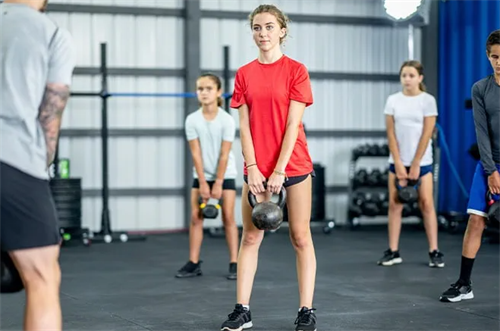
The picture is from University Hospitals , the copyright belongs to the original author
Main Strength Training Methods for Adolescents:
Strength training plays an essential role in adolescent development, improving performance, physical capability, and overall health. Below are several effective training methods for adolescents, each with specific purposes and precautions.
1. Speed Training
Speed training includes exercises like sprints, hill runs, resisted runs, and sand runs, which help develop lower-body explosiveness. The goal is to enhance the rapid force production of leg muscles. However, intensity and duration should be properly managed to avoid overtraining. Sessions should be brief and moderate in frequency to prevent excessive strain on joints and muscles.
2. Jump Training
Plyometric exercises such as single-leg hops, two-foot jumps, and obstacle jumps are effective for improving lower-body power and coordination. Proper technique is critical to minimize injury risk. For safety, high-frequency or long-distance jumps should be performed on soft surfaces such as grass or mats to reduce stress on the knees and ankles.
3. Weighted Throwing Exercises
Exercises like throwing softballs, medicine balls, or lightweight shot puts effectively build upper-body strength and core stability. Focus on controlled, accurate movements to avoid injury from improper technique.
4. Bodyweight Exercises
Bodyweight movements—such as push-ups, sit-ups, pull-ups, hanging leg raises, and back extensions—are excellent for building muscle strength without equipment. Gradually increasing repetitions or difficulty can enhance fitness, especially in the core and upper body.
5. Depth Jumps
Depth jumps are a high-intensity plyometric exercise that strengthens lower-body power. For adolescents under 16, the height should be limited to 30–40 cm to protect the knees. These exercises should always be performed on soft surfaces to minimize joint impact.
6. Compound Strength Training
Exercises such as squats, deadlifts, and lunges target multiple muscle groups, improving overall body strength, stability, and coordination.
7. Circuit Training
Circuit training combines 6–8 exercises performed in sequence, incorporating strength, endurance, and coordination elements. It not only builds muscle but also enhances cardiovascular fitness and keeps adolescents engaged—making it a highly effective training approach.
Scientific Principles for Safe and Effective Strength Training:
To ensure both safety and effectiveness in adolescent strength training, the following principles should be followed:
1. Professional Supervision: All training sessions should be conducted under the guidance of qualified coaches to ensure proper technique and prevent injuries.
2. Technique First: Master correct form before increasing weight or repetitions. Start with bodyweight exercises and progress gradually.
3. Safety First: Avoid heavy loads; focus on bodyweight and light resistance to minimize injury risk.
4. Gradual Progression: Gradually increase training intensity and volume to provide continuous stimulation for muscle growth.
5. Balanced Development: Include upper-body, lower-body, and core exercises for overall balance and coordination.
6. Make It Fun: Incorporate games and challenges to keep training enjoyable and engaging.
7. Consistency: Regular, sustained training and adequate recovery are key to muscle development and long-term results.
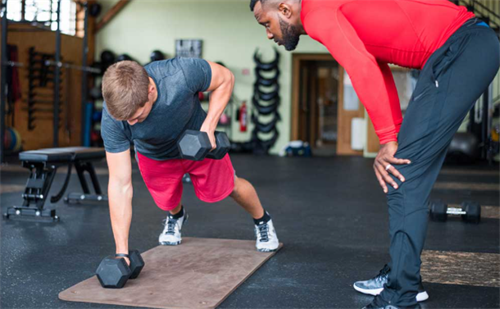
The picture is from HSS , the copyright belongs to the original author
Common Misconceptions About Adolescent Strength Training
Myth 1: Strength Training Stunts Growth or Damages Growth Plates
This is one of the most common and long-standing myths. Many fear that weight training compresses growth plates and hinders height growth. However, research from organizations such as the American Academy of Pediatrics confirms that, with proper technique and appropriate loads, strength training does not harm growth plate health.
In fact, growth plate injuries are more likely to occur during high-impact sports such as running, jumping, and twisting—not in supervised strength training environments. On the contrary, adolescence is a key period for bone mineral accumulation, and appropriate resistance training can significantly increase bone density, laying a strong foundation for lifelong skeletal health.
Myth 2: Strength Training Is Too Dangerous for Teenagers
Another common misconception is that gyms are dangerous and less safe than sports fields. However, research shows otherwise: the risk of injury from playing soccer is roughly 1,000 times higher than from structured strength training. Most gym injuries result from improper behavior, lack of supervision, or excessive loads—not the training itself.
More importantly, strength training prevents injuries. A large meta-analysis found that regular strength training can reduce sports-related injuries by up to 66%. By strengthening muscles, tendons, and ligaments around joints, the body becomes more resilient and recovers faster even when injuries occur.
Myth 3: Teenagers Should Wait Until a Certain Age or Only Do Bodyweight Exercises
Many believe that children must reach a specific age (e.g., 12 years old) before lifting weights. In reality, readiness depends on emotional maturity and the ability to follow safety instructions. Once a child can do so, light resistance training under professional supervision is entirely appropriate2.
While bodyweight exercises such as push-ups and squats are excellent foundational movements, introducing external resistance (e.g., dumbbells, resistance bands, kettlebells) at the right time is essential. This allows for the principle of progressive overload, the only effective way to continuously build muscle strength and endurance.
Recommended Training Plan:
Upper Body: Push-ups (starting on knees if needed), resistance band rows.
Lower Body: Squats, lunges, and deadlifts.
Core: Planks (30 seconds to 1 minute), crunches.
Full-Body Coordination: Step jumps, burpees, jump rope.
To effectively enhance muscle strength, adolescents should engage in resistance training three times per week, supported by proper nutrition. Avoid prolonged sitting, and include at least five minutes of dynamic stretching every hour.
Parents should help dispel training myths and incorporate strength exercises into daily routines—starting with simple activities such as five minutes of wall sits per day. This helps develop lifelong exercise habits and strengthens resistance against chronic diseases later in life. All training should be tailored to individual health conditions and conducted under professional supervision.
[Disclaimer:This content is provided for fitness and health reference only and does not constitute medical advice. Please consult a qualified physician or certified trainer before beginning any exercise or nutrition program.]
Reference:
1. https://www.dabbsfitness.com/the-ultimate-guide-to-youth-strength-and-conditioning/
2. https://www.strengthlog.com/strength-training-for-teens/
